“Ozempic face” is a phrase that started in the American media and quickly spread worldwide. It describes something we see more and more often in clinic. A person loses a lot of weight with a GLP-1 medication (semaglutide or tirzepatide), and the scale goes down. But the face suddenly looks more tired, more hollow and older. In this article we explain what actually happens to the skin and soft tissues, why not everyone needs “filling”, and which approaches can help the face look rested and natural.
What is “Ozempic face”?
It is not a medical diagnosis. It is an informal name for the facial changes that follow rapid, significant weight loss. The medication itself does not “break down” the face. The changes come from the fast loss of fat tissue, including the facial fat pads that give volume to the cheeks, temples and the area around the mouth. The same can happen after dieting or bariatric surgery. The medications have simply made rapid weight loss far more common.
Patients most often describe:
- hollow cheeks and more prominent cheekbones;
- hollow temples and darker shadows under the eyes;
- deeper nasolabial folds and marionette lines;
- laxity along the jawline and neck;
- thinner, “crepey” skin with less glow.
Why it happens: volume, collagen and speed
You can think of the face as layers: bone, muscle, fat pads and skin. The fat pads work as a cushion. When they shrink over a short time, the skin on top keeps the same surface area but has less support, so it starts to sag. The faster the weight loss and the lower the skin’s own elasticity, the more visible the effect.
Age is the second factor. From around our thirties, collagen production slowly declines, and with it the skin’s ability to “bounce back” on its own. That is why two women who lose the same amount of weight can look completely different. One looks refreshed, the other looks drawn.
The first step: diagnosis, not a procedure
Leading US dermatologists and platforms such as RealSelf say the same thing: Ozempic face is not fixed with a single treatment. For each patient we have to work out what matters most: volume loss, laxity, poorer skin quality, or a mix. At Dermique we start with a dermatology consultation. When useful, we add a VISIA 3D digital skin analysis to assess texture, wrinkles and pigmentation objectively and to track change over time.
Timing also matters. If you are still actively losing weight, it is usually wiser to wait until your weight stabilises before planning volume restoration. Otherwise the face keeps changing after treatment. In the meantime, we can work on skin quality.
Possible approaches, depending on the problem
1. When the main issue is volume loss
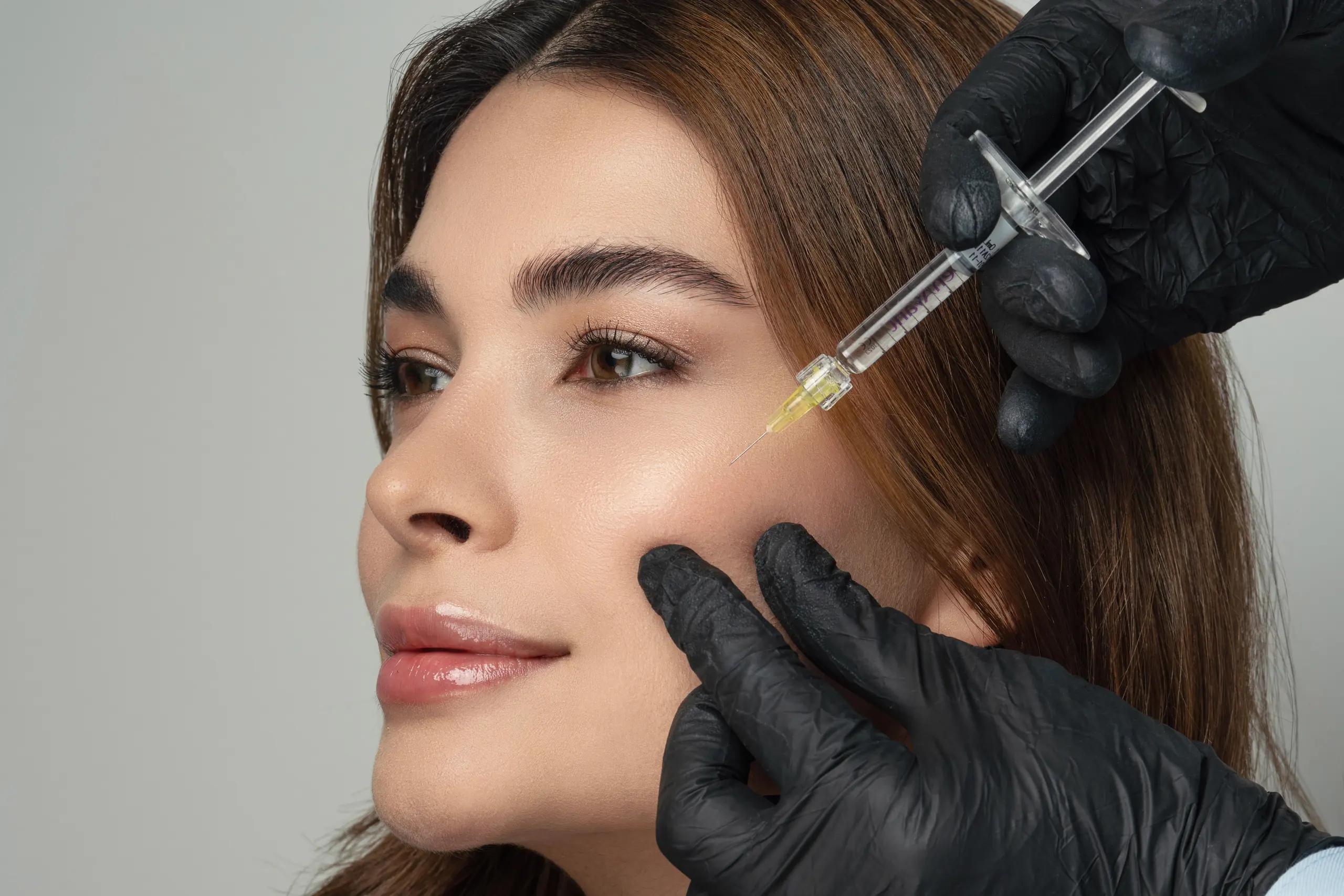
Hyaluronic acid fillers and facial contouring can restore support at strategic points: cheekbones, temples, chin and jawline. The global trend is clear: less product, placed more precisely. The goal is not a “full” face. It is a face that has structure again and reflects light naturally.
2. When the skin is thinner and lax
Collagen biostimulators (for example Sculptra, Radiesse, Juvelook and HArmonyCa) work differently from classic filler. They stimulate your own skin to build new collagen. Results appear gradually, usually within 4–8 weeks, and keep improving for up to about 6 months. Typically 2–5 sessions are needed, 4–6 weeks apart, depending on the product and area. This makes them a good fit for diffuse laxity rather than one specific hollow.
3. When the goal is tightening and better texture
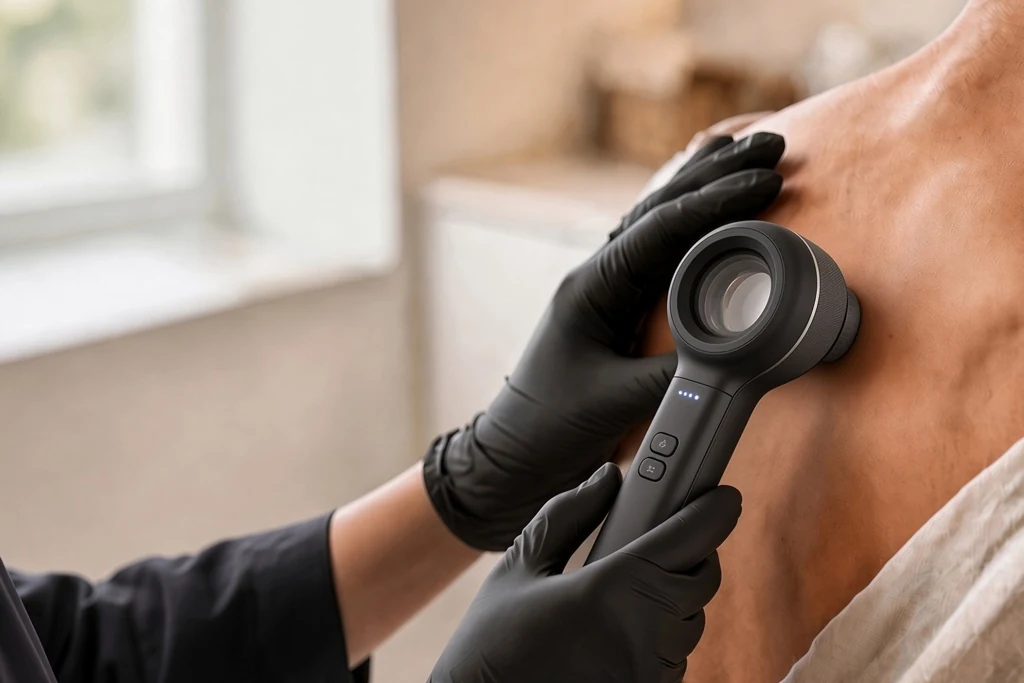
Morpheus8 Burst combines microneedling with radiofrequency energy. The energy heats the deeper layers of the skin and stimulates collagen remodelling. Usually 3 sessions are recommended, 4 weeks apart, and results build over the following 3–6 months. It is suitable for all skin types and can be done all year round. Redness usually settles within 1–2 days.
4. When the skin is dehydrated and dull
Skin boosters (Restylane Vital, Teosyal Redensity 1 and Juvéderm Skinvive) hydrate the skin from within and improve its firmness. Polynucleotides support regeneration, especially of the thin skin around the eyes and on the neck. Neither adds volume, but both improve skin quality.
In most cases the best result comes from a combination spread over time. For example, we first build skin quality and collagen, then add minimal volume only where it is needed. The specific plan is decided only after an examination.
What you can do yourself while losing weight
- Discuss the pace with the doctor managing your treatment. More gradual weight loss is usually kinder to the skin.
- Eat enough protein. It is a building block for skin, hair and muscle.
- Wear sunscreen every day. UV light speeds up collagen breakdown.
- Keep the skin hydrated and go easy on harsh exfoliants if your skin has become thinner.
- Watch your hair too. Rapid weight loss can trigger temporary shedding. Read more in our article on hair loss in women.
When non-surgical methods are not enough
Honesty is part of good medicine. After very large weight loss with significant excess skin, non-surgical treatments can improve quality and tightness, but they cannot remove excess tissue. If that is the case, we will tell you directly and discuss what is realistic.
Frequently asked questions
Will Ozempic face go away if I stop the medication?
If weight returns, some facial volume may return too, but that is not a goal in itself. Don’t stop your medication without talking to your prescribing doctor. Skin changes can also be improved with suitable treatments.
When is the best time to start treatments?
It is usually wiser to wait until your weight stabilises before planning volume restoration. Skin-quality treatments such as skin boosters, polynucleotides and collagen biostimulators can start earlier, after an examination.
Is filler the best solution?
Not always. Filler suits volume loss in specific areas. For thin, lax skin, collagen biostimulators or Morpheus8 Burst often work better. The best plan is usually a combination decided after an examination.
Will I look overfilled or unnatural?
The goal is a rested face, not a “filled” one. We use minimal amounts of product placed precisely and prefer a step-by-step approach.
Does the speed of weight loss matter?
Yes. Faster weight loss usually causes more visible changes because the skin has no time to adapt. Discuss the pace with your prescribing doctor.
Book a consultation at Dermique
If you recognise yourself in this article, the best first step is an examination by a dermatologist. Fill in our enquiry form and our team will contact you to confirm a convenient time. You can also reach us via our Contact page. Current prices are on our price list.
This article is for information only and does not replace a medical examination. The choice of treatment and expected results are individual and are decided after a consultation.