XERF is coming to Dermique! Get early access with exclusive savings of up to 20%. Limited spots available. See the offer →

Deep skin regeneration with polynucleotides (Salmon DNA)

Polynucleotides are regenerative injectable treatments designed to improve skin quality, hydration, elasticity and support the skin’s natural repair processes. At Dermique, they may be used for delicate, tired, dehydrated or photo-damaged skin, as well as in sensitive areas such as the eye contour, neck and décolletage.

The aim is not to add volume, but to gradually improve the condition and quality of the skin for a fresher, calmer and healthier-looking appearance.

See more…

How do polynucleotides work?

Polynucleotides are highly purified DNA-derived fragments, commonly obtained from salmon or trout sources and processed for medical use. When injected into the skin, they are used to support the skin’s natural regenerative processes and promote an environment favourable to hydration, elasticity and tissue repair.

Unlike traditional hyaluronic acid fillers, polynucleotides are not intended to reshape facial contours or restore structural volume. Instead, the treatment focuses on improving overall skin quality, particularly in delicate, tired, dehydrated or compromised skin.

Results develop progressively. Over time, the skin may appear more hydrated, resilient and revitalised, particularly when polynucleotide treatments form part of a carefully planned treatment protocol.

Polynucleotide treatments at Dermique

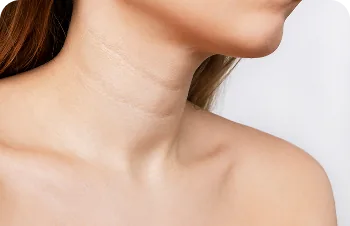
Polynucleotides for the neck and décolletage

The neck and décolletage have naturally delicate skin and often show early signs of ageing, dryness and loss of elasticity. Polynucleotides can form part of a regenerative treatment plan focused on improving hydration and overall skin quality in these areas.

Polynucleotides for the neck and décolletage

Polynucleotides for the neck and décolletage – a woman's neck and shoulder

The neck and décolletage have naturally delicate skin and often show early signs of ageing, dryness and loss of elasticity. Polynucleotides can form part of a regenerative treatment plan focused on improving hydration and overall skin quality in these areas.

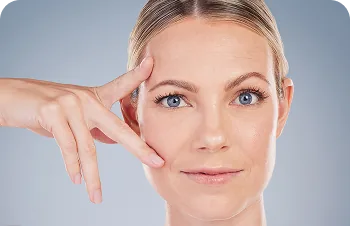
Polynucleotides for the face

A regenerative approach to improving overall skin quality, texture, elasticity and resilience. Polynucleotides may be particularly suitable for photo-damaged, delicate or thinning skin showing signs of reduced elasticity.

Polynucleotides for the face

Polynucleotides for the face – woman touching her temple

A regenerative approach to improving overall skin quality, texture, elasticity and resilience. Polynucleotides may be particularly suitable for photo-damaged, delicate or thinning skin showing signs of reduced elasticity.

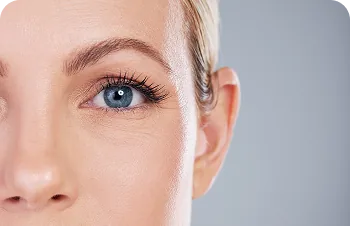
Polynucleotides for the eye contour

The delicate eye contour is one of the areas commonly treated with polynucleotides. As the skin here is naturally thin and can easily show signs of fatigue, treatment may help improve fine lines, dehydration, delicate skin quality and an overall tired appearance.

Polynucleotides for the eye contour

Polynucleotides for the eye area – close-up of the eye

The delicate eye contour is one of the areas commonly treated with polynucleotides. As the skin here is naturally thin and can easily show signs of fatigue, treatment may help improve fine lines, dehydration, delicate skin quality and an overall tired appearance.

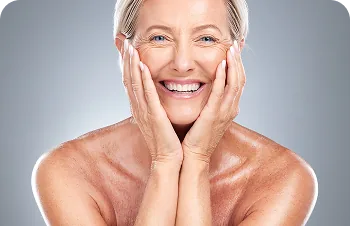
Polynucleotides as part of post-procedure skin recovery

When clinically appropriate, polynucleotides may be incorporated into a recovery plan following treatments such as CO₂ laser resurfacing, Morpheus8 Burst or chemical peels, with the aim of supporting the skin’s natural repair and regeneration processes.

Polynucleotides as part of post-procedure skin recovery

Polynucleotides after intensive treatments – smiling woman with her hands on her face

When clinically appropriate, polynucleotides may be incorporated into a recovery plan following treatments such as CO₂ laser resurfacing, Morpheus8 Burst or chemical peels, with the aim of supporting the skin’s natural repair and regeneration processes.

Polynucleotide treatments at Dermique
What to expect during your treatment

A topical anaesthetic is applied before treatment for additional comfort. The polynucleotides are then carefully administered through a series of small, precise injections across the treatment area.

The procedure typically takes around 20–30 minutes and is generally well tolerated.

Regeneration from within
Personalised polynucleotide treatments focused on skin quality, resilience and natural-looking revitalisation.
Frequently asked questions
When will I see results?
Results develop gradually rather than immediately. Initial improvements in hydration, freshness and skin quality may become noticeable over the following weeks, with further improvement developing throughout the recommended treatment course.
The recommended number and frequency of treatments depend on the product used, the treatment area, skin condition and individual goals. A course of several sessions may be recommended, followed by maintenance treatments where appropriate. Your individual protocol will be determined following consultation and skin assessment.
Yes. Depending on the individual indication and treatment plan, polynucleotides may be combined with treatments such as hyaluronic acid fillers, botulinum toxin, skin boosters or PRP. The combination and timing of treatments are determined individually to ensure an appropriate and considered approach.

Atrophic scars

Atrophic scars are indented scars that most commonly appear following acne or other inflammatory conditions. They are caused by a loss of collagen and uneven skin regeneration.

Appropriate treatment methods

At Dermique, we don’t treat acne scars using just one technique. Where necessary, we combine: