XERF is coming to Dermique! Get early access with exclusive savings of up to 20%. Limited spots available. See the offer →

Acne

Acne is one of the most common skin conditions, affecting both teenagers and adults. It is more than a cosmetic concern — when left untreated or treated incorrectly, acne can lead to persistent discoloration, scarring, chronic inflammation, and significant discomfort.

Our dermatology team takes a personalized approach to acne treatment, evaluating the type of breakouts, severity of the condition, potential triggers, previous treatments, and risk of scarring. The goal is to create a treatment plan that not only brings active acne under control, but also helps reduce the risk of future breakouts.
See more…

Types of acne we treat

Teen acne

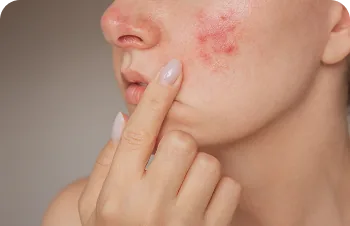
Acne is extremely common during the teenage years and is typically associated with hormonal changes, increased oil production, and clogged pores. Although common, teen acne should not be overlooked. Without proper treatment, it can lead to persistent discoloration and scarring and can have a significant impact on self-confidence.

Teen acne

Teenage acne – young woman touching a red spot on her cheek

Acne is extremely common during the teenage years and is typically associated with hormonal changes, increased oil production, and clogged pores. Although common, teen acne should not be overlooked. Without proper treatment, it can lead to persistent discoloration and scarring and can have a significant impact on self-confidence.

Hormonal acne

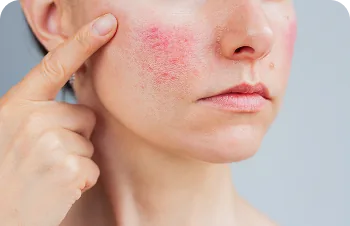
Hormonal acne commonly appears along the lower face, particularly around the chin, jawline, and neck. It may worsen around the menstrual cycle or be associated with stress, hormonal imbalances, or polycystic ovary syndrome (PCOS).

Hormonal acne

Hormonal acne – woman pointing to redness on her cheek

Hormonal acne commonly appears along the lower face, particularly around the chin, jawline, and neck. It may worsen around the menstrual cycle or be associated with stress, hormonal imbalances, or polycystic ovary syndrome (PCOS).

Back and body acne

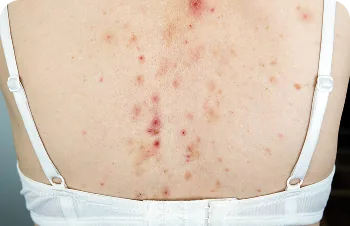
Acne on the back, chest, and shoulders can be particularly persistent. It may be influenced by sweating, exercise, friction from clothing, hormonal factors, or the naturally thicker skin in these areas.

Back and body acne

Back acne – close-up of the upper back

Acne on the back, chest, and shoulders can be particularly persistent. It may be influenced by sweating, exercise, friction from clothing, hormonal factors, or the naturally thicker skin in these areas.

Adult acne

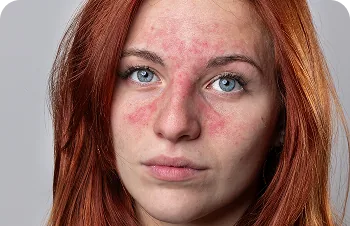
Adult acne can be persistent and may be associated with hormonal factors, stress, certain skincare products, medications, or a compromised skin barrier. Treatment requires a carefully tailored approach, as adult skin may be more sensitive and less tolerant of aggressive therapies.

Adult acne

Adult acne – woman with red patches on her cheeks

Adult acne can be persistent and may be associated with hormonal factors, stress, certain skincare products, medications, or a compromised skin barrier. Treatment requires a carefully tailored approach, as adult skin may be more sensitive and less tolerant of aggressive therapies.

Types of acne we treat
Acne marks and scars

Acne marks and scars are a common consequence of untreated or improperly treated acne. We offer specialized treatments designed to visibly reduce the marks left behind by acne and restore a smoother, more even skin tone and texture.

Acne and acne scar treatment

At Dermique, we create an individualized treatment plan for each patient, which may include:

  • topical treatments with active ingredients
  • prescription medication for more severe or persistent acne
  • chemical peels to help control excess oil, clogged pores, and post-inflammatory marks
  • a personalized medical-grade skincare regimen for at-home use
  • DermaV by Lutronic for patients with redness and active inflammation
The goal is not simply to temporarily reduce breakouts, but to achieve calmer, clearer skin, fewer recurrences, and a lower risk of persistent marks and scars.
Start with a comprehensive skin evaluation and a personalized treatment plan from Dermique’s medical team.
Frequently asked questions
When should I see a dermatologist for acne?
It is best to see a dermatologist when acne first appears. Early treatment can help prevent persistent redness, discoloration, and scarring.
The first visible improvements are often seen within 6–8 weeks, although achieving consistent control usually takes longer. Acne cannot be treated in a matter of days, and frequently switching products can delay progress and make it more difficult to evaluate what is actually working.
Yes. Acne can return, particularly when hormonal factors, stress, unsuitable skincare products, or discontinuation of maintenance treatment are involved. Once active acne is under control, a maintenance plan is often recommended to help prevent future breakouts.
Not always. Hormone testing may be considered when certain signs are present, such as irregular menstrual cycles, increased facial or body hair, sudden onset of adult acne, acne concentrated along the lower face, or other signs of a possible hormonal imbalance.
It depends on the type and severity of the acne. In many cases, in-office treatments can be safely incorporated into an acne treatment plan and are not contraindicated during active breakouts.

Atrophic scars

Atrophic scars are indented scars that most commonly appear following acne or other inflammatory conditions. They are caused by a loss of collagen and uneven skin regeneration.

Appropriate treatment methods

At Dermique, we don’t treat acne scars using just one technique. Where necessary, we combine: