Hair on the pillow, strands in the drain, a thinner ponytail… Heavy hair shedding is one of the most stressful changes for many women, and stress itself can make things worse. The good news is that many cases have a clear cause and respond to treatment. The key is to find that cause in time, instead of switching from one shampoo to the next.
How many hairs a day is normal to lose?
Losing around 50–100 hairs a day is a normal part of the natural growth cycle. Each hair goes through a growth phase, a short transition phase and a resting phase, then falls out and is replaced by a new one. It is worth paying attention when:
- you notice clearly more shedding for weeks;
- your ponytail or braid becomes noticeably thinner;
- your parting widens or the scalp shows through on the crown;
- round bald patches appear;
- shedding comes with itching, flaking, redness or scalp pain.
The most common causes of hair loss in women
1. Telogen effluvium: the “delayed” shedding
This is one of the most common causes of sudden, diffuse shedding. After a major stress on the body, many hairs move into the resting phase at the same time. Typical triggers are an illness with high fever, surgery, childbirth, rapid weight loss, severe emotional stress or a new medication. About 2–3 months later, those hairs start falling out at once. That is why many women don’t link the shedding to a cause that has already passed.
The good news is that telogen effluvium is usually temporary. Once the cause is removed, the hair gradually recovers, but this takes months.
2. Postpartum hair loss
During pregnancy, high hormone levels keep hair in the growth phase. After birth, hormones drop and the “accumulated” hairs shed over a short period. This usually starts a few months after delivery. In most cases it settles by itself, but if it lasts a long time or is very heavy, it is worth checking for iron deficiency or a thyroid problem.
3. Hair loss after weight loss and GLP-1 medications
With weight-loss medications (semaglutide, tirzepatide) now widely used, this is one of the most discussed topics in US dermatology. Publications in the medical literature describe hair loss being reported more often in patients on these treatments, mostly of the telogen type. The main factors are thought to be rapid weight loss and reduced food intake, including protein, iron and other micronutrients. If you are on such treatment and your hair is shedding heavily, don’t stop the medication on your own. Discuss the pace and your diet with your prescribing doctor and see a dermatologist. Read more about skin changes after rapid weight loss in our article on “Ozempic face”.
4. Androgenetic alopecia (female pattern thinning)
Here the hair gradually thins, mainly on the crown and along the parting, while the front hairline is usually preserved. The process is slow and progressive and has a hereditary and hormonal component. The earlier treatment starts, the better the existing hair can be preserved.
5. Alopecia areata
Alopecia areata causes round or oval bald patches, often suddenly. It is an autoimmune condition and needs dermatological treatment and follow-up.
6. Deficiencies and hormonal changes
Low iron (ferritin), thyroid problems, vitamin D deficiency and some hormonal disorders can also be behind hair loss. That is why we order tests when needed. Taking vitamins “blindly” doesn’t always help, and some are even harmful in excess.
7. Scalp conditions
Seborrhoeic dermatitis, psoriasis and other inflammatory scalp conditions can also worsen the state of the hair. They need treatment of the scalp itself.
What a hair loss consultation at Dermique involves
- Detailed history. When the shedding started, and whether you have had childbirth, illness, weight loss, a new medication or stress in recent months.
- Careful examination of the hair and scalp. We assess the type of hair loss, the condition of the scalp and family history.
- Tests when needed. For example, blood markers related to iron, thyroid or hormones.
- An individual plan based on the cause.
Read more about types of hair loss on our Hair loss and alopecia page.
What are the treatment options?
Treatment depends on the cause. With telogen effluvium, the priority is to remove the trigger and support regrowth. With androgenetic alopecia, the goal is long-term care. In clinic we use:
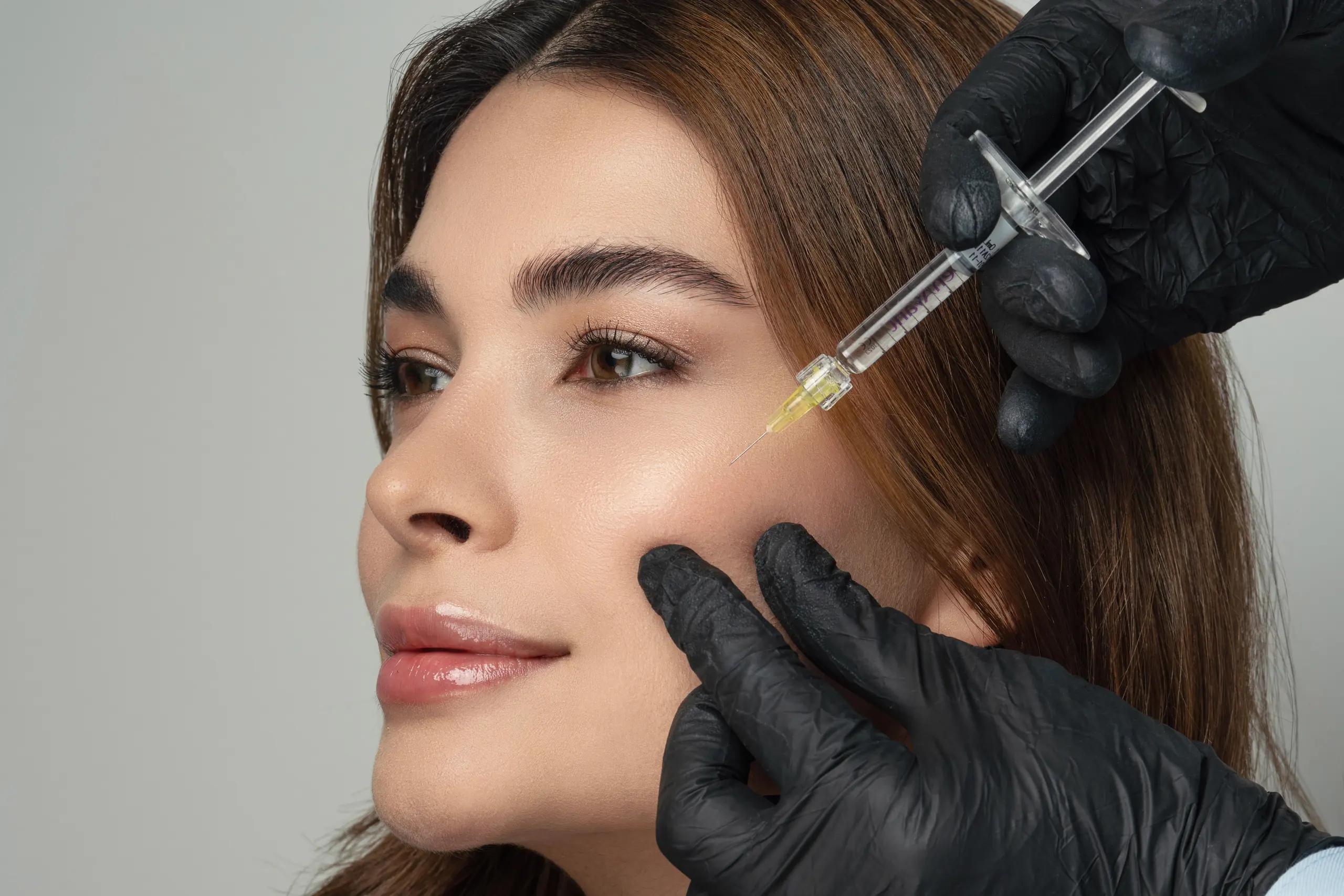
- PRP therapy: concentrated plasma from your own blood, applied to the scalp;
- hair mesotherapy: cocktails of active ingredients delivered directly into the scalp;
- peptide therapies such as Dr. CYJ Hair Filler.
Treatments take about 20–30 minutes. See our Hair loss treatments page for details. When needed, the plan also includes home therapy, and we refer you for further tests if necessary.
It is important to be realistic about timing. Hair grows slowly. Results are assessed after 3–6 months, not after a few weeks. That is why “before” photos and regular follow-ups are so useful.
When to see a dermatologist straight away
- if bald patches appear suddenly;
- if you have pain, burning, redness or pus-filled bumps on the scalp;
- if shedding lasts more than 2–3 months without improvement;
- if thinning is visible and progressing.
Frequently asked questions
How many hairs a day is normal to lose?
Losing around 50–100 hairs a day is part of the normal growth cycle.
Does postpartum hair loss go away on its own?
In most cases, yes. If it lasts a long time or is very heavy, it is worth checking iron levels and thyroid function.
Do I need blood tests?
Not always, but they are often useful, especially with diffuse or postpartum shedding, or if deficiencies or hormonal disorders are suspected.
When will I see results from treatment?
Hair grows slowly. Results are assessed after 3–6 months, not after a few weeks.
Should I stop my weight-loss medication if my hair is falling out?
Don’t stop it on your own. Discuss the pace of weight loss and your diet with your prescribing doctor, and see a dermatologist to assess the shedding.
Book a consultation at Dermique
If you recognise yourself in this article, the best first step is an examination by a dermatologist. Fill in our enquiry form and our team will contact you to confirm a convenient time. You can also reach us via our Contact page. Current prices are on our price list.
This article is for information only and does not replace a medical examination. The choice of treatment and expected results are individual and are decided after a consultation.