PRP (platelet-rich plasma) therapy is an autologous injectable treatment that uses a concentrated preparation derived from the patient’s own blood, containing platelets and associated growth factors. At Dermique, PRP is used to support skin regeneration and improve overall skin quality, as well as within personalised treatment plans for selected types of hair loss.
See more…
PRP treatments at Dermique
PRP for hair loss
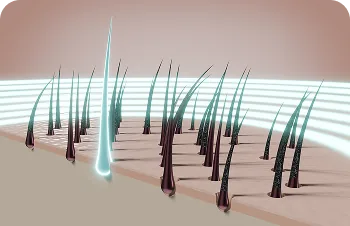
PRP may be used to support hair follicle function and improve hair quality in appropriately selected patients. It is commonly incorporated into treatment plans for hair thinning and androgenetic alopecia in both men and women.
PRP may also be considered as supportive treatment following hair transplantation, depending on the individual case and the recommendations of the treating physician.
Microneedling with PRP
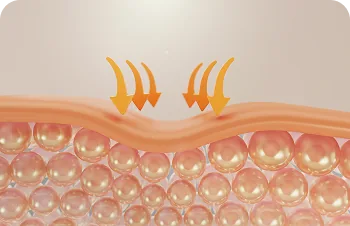
PRP may be combined with medical microneedling as part of a regenerative treatment protocol. Microneedling creates controlled microchannels in the skin and stimulates tissue remodelling, while PRP is used to further support the skin’s natural repair processes.
The combination may be considered when the aim is to improve skin texture, radiance and overall skin quality.
Facial PRP — the “vampire facial”
Facial PRP is a regenerative treatment designed to support the skin’s natural repair and renewal processes. It may help improve overall skin quality, texture, radiance and the appearance of fine lines.
The treatment may be considered for tired, dehydrated, delicate or photo-damaged skin, as well as part of a broader regenerative treatment plan.
PRP treatments at Dermique
PRP for hair loss
PRP may be used to support hair follicle function and improve hair quality in appropriately selected patients. It is commonly incorporated into treatment plans for hair thinning and androgenetic alopecia in both men and women.
PRP may also be considered as supportive treatment following hair transplantation, depending on the individual case and the recommendations of the treating physician.
PRP may be combined with medical microneedling as part of a regenerative treatment protocol. Microneedling creates controlled microchannels in the skin and stimulates tissue remodelling, while PRP is used to further support the skin’s natural repair processes.
The combination may be considered when the aim is to improve skin texture, radiance and overall skin quality.
Facial PRP is a regenerative treatment designed to support the skin’s natural repair and renewal processes. It may help improve overall skin quality, texture, radiance and the appearance of fine lines.
The treatment may be considered for tired, dehydrated, delicate or photo-damaged skin, as well as part of a broader regenerative treatment plan.
The procedure begins with a small blood sample taken from the patient. The blood is then processed in a centrifuge to separate and concentrate the platelet-rich plasma.
The prepared PRP is carefully administered to the selected treatment area, which may include the face, neck, décolletage or scalp. The technique and treatment protocol are tailored to the area being treated, the individual indication and the desired outcome.
What can PRP be combined with?
PRP is a versatile regenerative treatment that may be incorporated into broader treatment plans for the skin and scalp or used alongside selected procedures where additional support for recovery is appropriate. The combination and timing of treatments are determined individually according to the treatment area, indication and desired outcome.
PRP + Dermapen® medical microneedling
Dermapen® medical microneedling creates controlled microchannels in the skin to stimulate natural tissue remodelling. PRP may be incorporated into the treatment protocol to support the skin’s regenerative response.
This combination may be considered for concerns such as uneven texture, visible pores, fine lines and overall skin quality.
PRP after laser treatments
When clinically appropriate, PRP may be incorporated into a recovery protocol following more intensive treatments such as CO₂ laser resurfacing, with the aim of supporting the skin’s natural repair and recovery processes.
The timing of PRP treatment is determined by the dermatologist according to the laser procedure performed and the condition of the skin.
PRP + Morpheus8 Burst / RF microneedling
PRP may be combined with Morpheus8 Burst or other RF microneedling treatments as part of a personalised plan focused on skin firmness, texture and tissue remodelling.
While RF microneedling stimulates remodelling through controlled radiofrequency energy, PRP may be used to support the skin’s regenerative and recovery processes.
PRP + scalp mesotherapy
For selected types of hair loss, PRP may be combined with peptide-based scalp mesotherapy or other appropriate treatments as part of a broader approach to scalp and hair health.
The combination is selected according to the underlying cause of hair loss, scalp condition and individual treatment goals.
PRP + polynucleotides or skin boosters
For delicate, tired or dehydrated skin, PRP may form part of a regenerative treatment plan alongside polynucleotides or skin boosters.
These treatments address different aspects of skin quality and may be combined or sequenced to support hydration, elasticity and overall skin condition.
A refined approach to aesthetics
Personalised PRP treatments designed to support skin renewal, tissue quality and scalp health.
PRP is prepared from the patient’s own blood, which reduces the risk of hypersensitivity to the injected material compared with treatments involving certain externally derived substances.
As with any injectable procedure, however, PRP is not entirely risk-free. Temporary redness, swelling, tenderness or bruising may occur, and other complications are possible. Suitability is therefore assessed individually before treatment.
When will I see results from PRP for hair loss?
Hair growth is a gradual process, so results are not immediate. Changes in excessive shedding may become noticeable first, while improvements in hair quality and density generally take several months to assess.
The recommended number and frequency of PRP treatments depend on the type and cause of hair loss, individual response and overall treatment plan. Maintenance sessions may be recommended where appropriate.
When will I see results from facial PRP?
Initial improvements in skin freshness and texture may become noticeable over the first few weeks. Further changes develop progressively as the skin’s natural regenerative and remodelling processes take place.
The timing and extent of results vary between patients and depend on factors such as skin condition, treatment protocol and individual response.
Who is not suitable for PRP therapy?
PRP may not be appropriate in the presence of active infection, acute illness or inflammation, active herpes in the treatment area, significant platelet or blood disorders, certain clotting conditions or other relevant medical contraindications.
Certain medications, including anticoagulants, as well as some autoimmune or oncological conditions, may require additional medical consideration. Pregnancy, breastfeeding, recent significant illness and any relevant medical conditions or medications should be discussed during consultation.
Suitability for PRP is determined following an individual medical assessment.
We use cookies and similar technologies to keep the website working properly and to give you a better experience. You can accept all, decline the optional ones or manage your preferences.
Functional
Always active
The technical storage or access is strictly necessary for the legitimate purpose of enabling the use of a specific service explicitly requested by the subscriber or user, or for the sole purpose of carrying out the transmission of a communication over an electronic communications network.
Preferences
The technical storage or access is necessary for the legitimate purpose of storing preferences that are not requested by the subscriber or user.
Statistics
The technical storage or access that is used exclusively for statistical purposes.The technical storage or access that is used exclusively for anonymous statistical purposes. Without a subpoena, voluntary compliance on the part of your Internet Service Provider, or additional records from a third party, information stored or retrieved for this purpose alone cannot usually be used to identify you.
Marketing
The technical storage or access is required to create user profiles to send advertising, or to track the user on a website or across several websites for similar marketing purposes.
Atrophic scars are indented scars that most commonly appear following acne or other inflammatory conditions. They are caused by a loss of collagen and uneven skin regeneration.
Appropriate treatment methods
At Dermique, we don’t treat acne scars using just one technique. Where necessary, we combine: