Pigmentation and melasma are among the most common skin concerns, affecting people of all ages. They can develop as a result of sun exposure, acne, inflammation, hormonal changes, pregnancy, certain treatments, or genetic predisposition.
See more…
Types of pigmentation we treat
Sun spots
Sun spots develop as a result of accumulated UV damage and most commonly appear on the face, décolletage, shoulders, and hands. They are generally more superficial than melasma and can respond very well to appropriately selected treatments.
Sun spots develop as a result of accumulated UV damage and most commonly appear on the face, décolletage, shoulders, and hands. They are generally more superficial than melasma and can respond very well to appropriately selected treatments.
Pigmentation on the hands and body
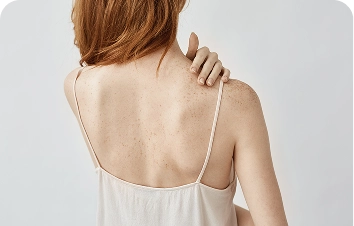
Pigmentation on the hands, décolletage, back, legs, or other areas of the body may be related to sun exposure, inflammation, scarring, insect bites, trauma, or chronic irritation. Skin responds differently depending on the area being treated, which means that a treatment suitable for the face may not always be appropriate for the body.
Pigmentation on the hands, décolletage, back, legs, or other areas of the body may be related to sun exposure, inflammation, scarring, insect bites, trauma, or chronic irritation. Skin responds differently depending on the area being treated, which means that a treatment suitable for the face may not always be appropriate for the body.
Facial pigmentation
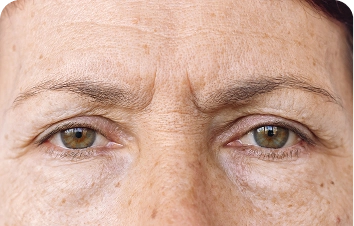
The face is one of the most common areas affected by pigmentation, where uneven skin tone can have a noticeable impact on appearance and self-confidence. We identify the specific type of pigmentation and create a personalized treatment protocol based on your skin and individual concerns.
The face is one of the most common areas affected by pigmentation, where uneven skin tone can have a noticeable impact on appearance and self-confidence. We identify the specific type of pigmentation and create a personalized treatment protocol based on your skin and individual concerns.
Types of pigmentation we treat
Sun spots
Sun spots develop as a result of accumulated UV damage and most commonly appear on the face, décolletage, shoulders, and hands. They are generally more superficial than melasma and can respond very well to appropriately selected treatments.
Pigmentation on the hands, décolletage, back, legs, or other areas of the body may be related to sun exposure, inflammation, scarring, insect bites, trauma, or chronic irritation. Skin responds differently depending on the area being treated, which means that a treatment suitable for the face may not always be appropriate for the body.
The face is one of the most common areas affected by pigmentation, where uneven skin tone can have a noticeable impact on appearance and self-confidence. We identify the specific type of pigmentation and create a personalized treatment protocol based on your skin and individual concerns.
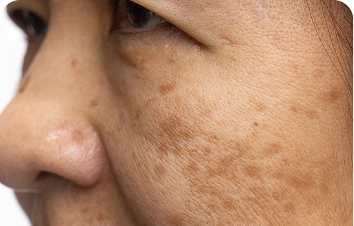
Melasma is a chronic form of hyperpigmentation that typically appears as symmetrical brown or gray-brown patches on the face, most commonly on the cheeks, forehead, upper lip, or chin. It is often associated with hormonal factors, pregnancy, hormonal contraceptives, genetic predisposition, sun exposure, and visible light. Melasma has a tendency to recur, which is why treatment should not be aggressive or inconsistent.
Melasma treatment at Dermique
With melasma, the goal is long-term control, lightening of pigmentation, and reducing the risk of recurrence rather than quickly “removing” the discoloration. Aggressive treatments can cause irritation and further darkening, making consistency, proper maintenance, and management of triggering factors essential.
At Dermique, we create a step-by-step treatment plan that may include:
It depends on the type of pigmentation. Superficial sun spots often respond very well to treatment and can fade significantly. With melasma and deeper pigmentation, the goal is to control and lighten the discoloration while reducing the risk of recurrence. Maintenance treatment and consistent sun protection are essential to maintaining results.
How many treatments are needed to remove facial pigmentation?
The number of treatments depends on the type and depth of the pigmentation, your skin type, and the treatment method selected. For some superficial sun spots, a few treatments with Lumecca by InMode or chemical peels may be sufficient.
What is the difference between melasma and regular pigmentation?
Melasma is a deeper, typically symmetrical form of hyperpigmentation associated with hormonal factors. Other types of pigmentation are more commonly caused by sun exposure and tend to be more superficial.
Do I need to use sunscreen after treatment?
Yes. Consistent sun protection is essential both during and after treatment for pigmentation. Without adequate sun protection, the risk of recurrence is significantly higher.
We use cookies and similar technologies to keep the website working properly and to give you a better experience. You can accept all, decline the optional ones or manage your preferences.
Functional
Always active
The technical storage or access is strictly necessary for the legitimate purpose of enabling the use of a specific service explicitly requested by the subscriber or user, or for the sole purpose of carrying out the transmission of a communication over an electronic communications network.
Preferences
The technical storage or access is necessary for the legitimate purpose of storing preferences that are not requested by the subscriber or user.
Statistics
The technical storage or access that is used exclusively for statistical purposes.The technical storage or access that is used exclusively for anonymous statistical purposes. Without a subpoena, voluntary compliance on the part of your Internet Service Provider, or additional records from a third party, information stored or retrieved for this purpose alone cannot usually be used to identify you.
Marketing
The technical storage or access is required to create user profiles to send advertising, or to track the user on a website or across several websites for similar marketing purposes.
Atrophic scars are indented scars that most commonly appear following acne or other inflammatory conditions. They are caused by a loss of collagen and uneven skin regeneration.
Appropriate treatment methods
At Dermique, we don’t treat acne scars using just one technique. Where necessary, we combine: